By Michelle Delaney, South Lake Tablet
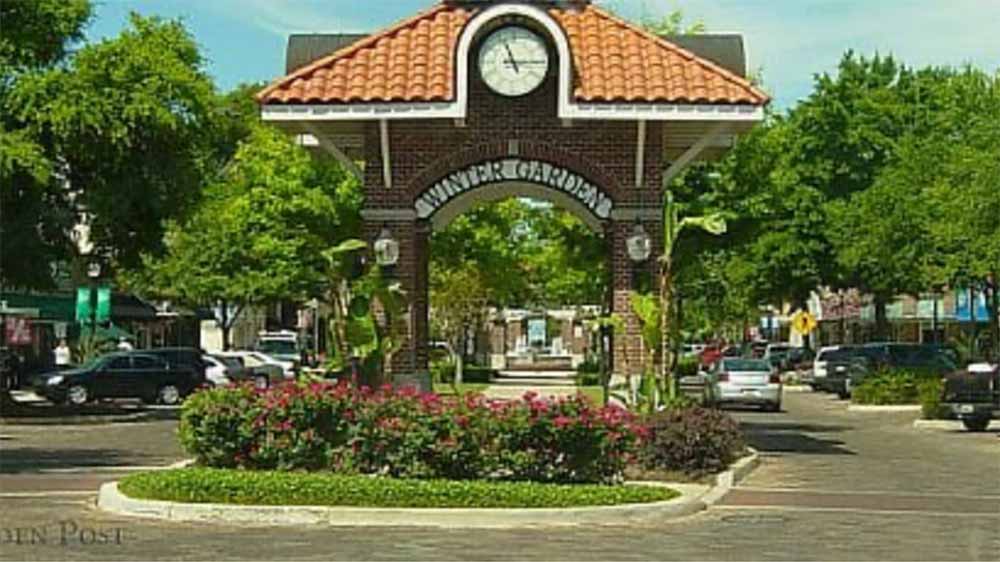
From time to time, South Lake residents take an interest in what’s happening in neighboring communities — especially when those changes echo conversations taking place closer to home. In nearby Winter Garden, a noticeable shift is underway along its historic Plant Street corridor.

Several longtime downtown businesses — including Three Birds Café, Driftwood Market, Polka Dotz, and Ruby & Rust — have announced they are losing their leases. For many residents, the news signals the possible end of an era for a downtown long celebrated for its locally owned shops, walkable charm, and distinct personality.
For years, Plant Street has stood as a model of small-town revitalization done right. Its brick-lined sidewalks, historic architecture, and independently owned storefronts transformed the area into both a destination and a gathering place. The identity of downtown Winter Garden has been shaped as much by its entrepreneurs as by its preserved façades.
Now, rising property values and continued redevelopment are reshaping that landscape.
Some residents express concern that escalating lease rates and investment-driven changes could alter the authenticity that made the district special. They worry that as longtime businesses depart, the character that drew people downtown may shift in ways that feel less personal and less local.
Others view the transition through a different lens. Growth, they argue, is evidence of success. Winter Garden’s increasing desirability stems from the very vibrancy those downtown businesses helped create. From this perspective, change is not an abandonment of character, but an evolution — a natural progression for a thriving city.
The broader question emerging from the discussion is one familiar to many growing communities, including those in South Lake County: How does a city honor its past while positioning itself for the future?
Positioning for the future requires thoughtful planning, responsible development, and a clearly defined vision. Historic downtowns can be revitalized without sacrificing charm. Modern amenities can coexist alongside preserved streetscapes. New development can complement established neighborhoods rather than compete with them.
Strategic planning, meaningful community engagement, and transparent leadership are essential in ensuring growth reflects a city’s identity instead of erasing it.
Ultimately, a city honors its past by remembering who it has been — and positions itself for the future by deciding, together, who it wants to become. The plan is not opposition to change, but integration of progress with preservation.