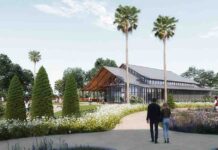
Downtown Clermont is on the verge of its most significant transformation in decades as three major projects move through the planning and development process, bringing hundreds of new residential units, expanded commercial opportunities, and renewed discussion about the city’s growing parking and traffic challenges.
The projects—the West End mixed-use development, the $45 million Lumberyard District redevelopment, and a proposed downtown parking garage—are expected to dramatically alter the landscape of Clermont’s downtown core while helping accommodate the city’s continued growth.

City leaders and developers say the projects will create new housing, stimulate economic development, and further establish downtown Clermont as a vibrant destination. At the same time, residents are raising questions about how the city will manage increased traffic, parking demands, and infrastructure needs.
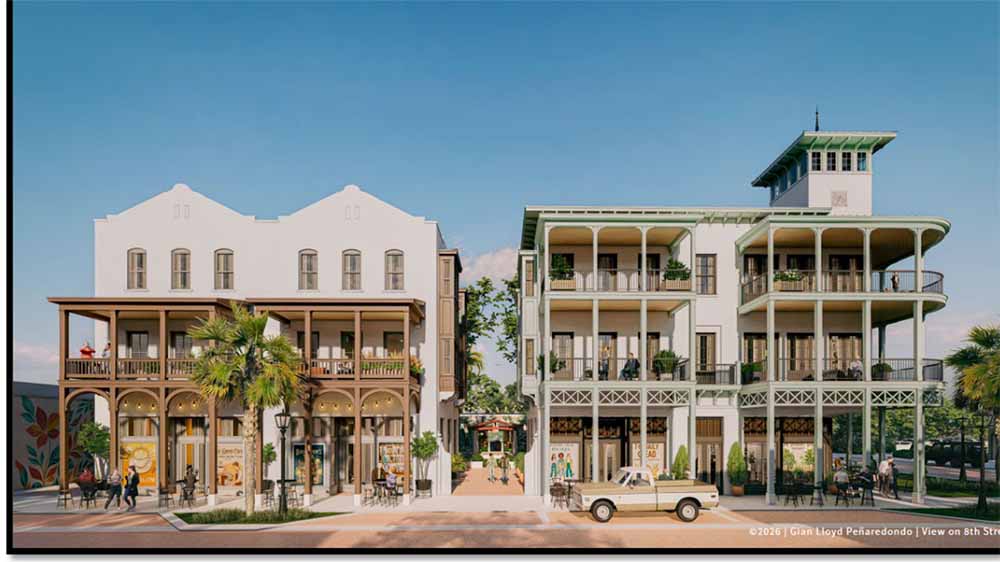
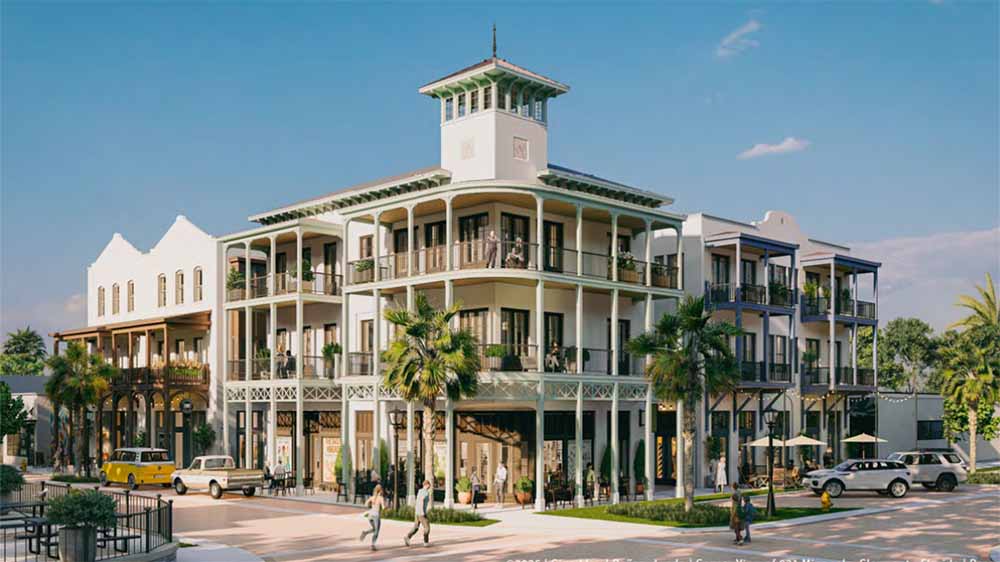
West End Project Adds Housing and Retail Space – One of the newest developments planned for downtown is the West End project, located at 821 W. Minneola Avenue.
The project is approved for 16 residential units on approximately 0.635 acres and will consist of four buildings featuring retail and restaurant space on the ground floor. Commercial uses will be limited to a combined total of 6,000 square feet.
The approval also reflects provisions established through a settlement agreement that amended the city’s Land Development Code, allowing bonus density of up to 40 units per acre through a Community Benefit Agreement. The agreement provides developers an opportunity to increase density while offering benefits that serve the broader community.
Supporters say the project will help activate a key downtown corridor and create a more walkable environment with housing located near shops and restaurants.
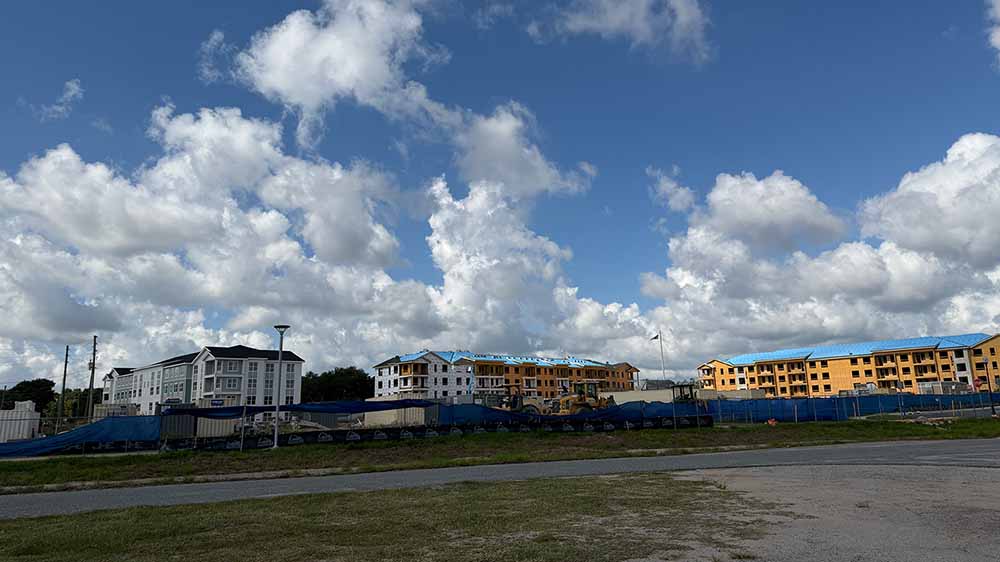
Lumberyard District Could Reshape Lakefront Area – The most ambitious of the three projects is the proposed Lumberyard District, a $45 million mixed-use redevelopment planned for 12.3 acres adjacent to Victory Pointe Park, the South Lake Trail, and the Lake County Rowing Association.
The project is expected to redevelop a prominent waterfront property and create a new residential and commercial hub overlooking Lake Minneola.
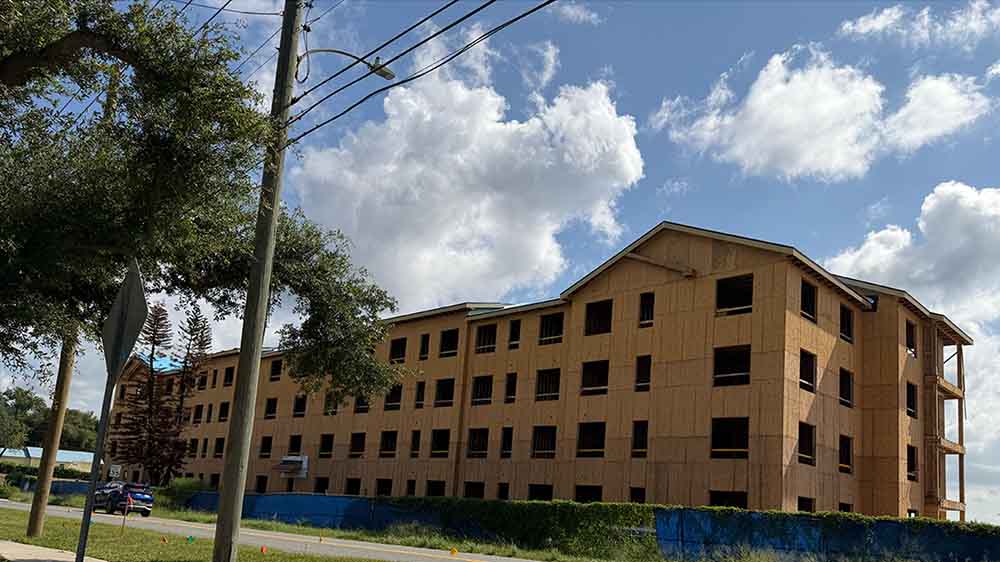 Construction is planned in two phases: The first phase includes 262 apartment units spread across four residential buildings. Approximately 70 percent of the apartments will be one-bedroom units, targeting young professionals and residents seeking a downtown lifestyle within walking distance of the lakefront, trails, restaurants, and public amenities.
Amenities proposed for the first phase include a clubhouse, resort-style swimming pool, and a rooftop bar overlooking Lake Minneola.
Phase Two would add another 130 apartment units, mixed-use live-work spaces, and a two-story parking garage designed to serve both residents and visitors.
Upon completion, the Lumberyard District would bring a total of 392 apartments to downtown Clermont, along with “The Sawmill,” a commercial district featuring approximately 53,000 to 55,000 square feet of retail, restaurant, office, and entertainment space.
Developers and city officials believe the project could become a catalyst for additional investment throughout the downtown area, generating jobs and increasing activity around the city’s waterfront.
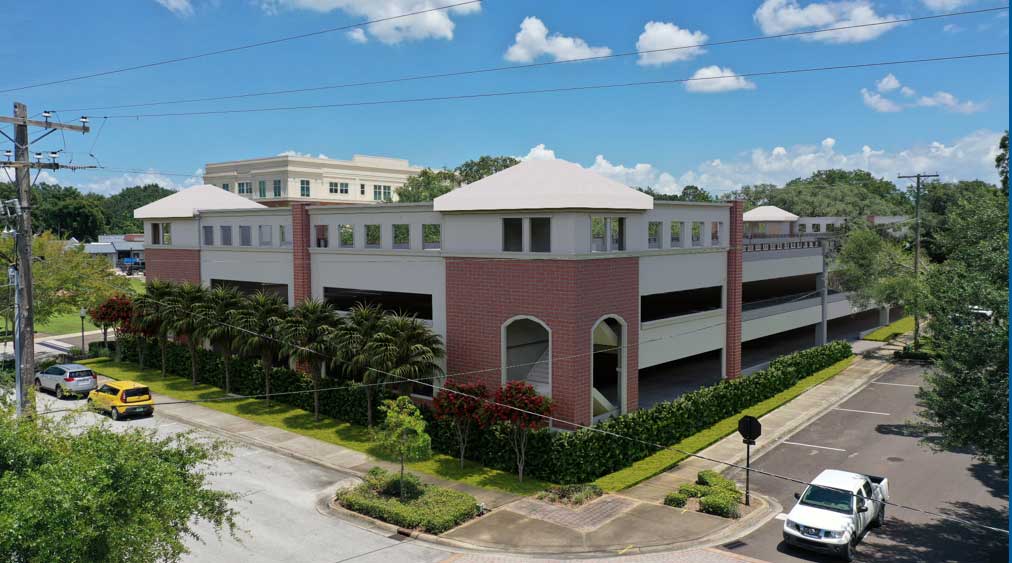
Parking Garage Returns to the Discussion – As development activity accelerates, city leaders are once again examining a long-discussed solution to one of downtown Clermont’s most persistent concerns: parking.
The Clermont City Council recently established a citizens advisory committee to evaluate potential locations for a downtown parking garage. The committee will review city-owned properties, including the lot at Seventh Street and Minneola Avenue and the parking areas behind City Hall, as well as possible private-sector sites.
The committee has been given 60 days to complete its review and present recommendations to the City Council.
The timing is notable, as parking has become an increasingly important issue during downtown events, waterfront activities, and peak restaurant hours. The addition of hundreds of residential units and thousands of square feet of new commercial space is expected to increase demand even further.
Growth Brings Opportunity—and Challenges – While many residents welcome the investment and revitalization taking place downtown, the projects also highlight the challenges that often accompany rapid growth.
Traffic congestion is expected to be one of the most closely watched issues. Nearly 400 new apartment units, combined with expanded retail, restaurant, and entertainment venues, could significantly increase vehicle traffic on Minneola Avenue, Montrose Street, Seventh Street, and other downtown roadways.
Parking remains another major concern. Even with a future parking garage, city officials will need to balance the needs of residents, visitors, downtown employees, and business owners.
Infrastructure capacity, including roads, utilities, and stormwater systems, will also come under greater pressure as development continues.
Some residents have also expressed concerns about preserving the character of Clermont’s historic downtown as larger-scale developments become more common.
A Defining Moment for Downtown Clermont – Taken together, the three projects represent a defining moment for Clermont’s future.
Supporters see an opportunity to create a thriving downtown district that offers housing, employment, recreation, and entertainment within walking distance of the city’s waterfront and trail system. Critics and cautious observers, however, emphasize the need for careful planning to ensure growth does not outpace infrastructure and diminish the qualities that have made Clermont one of Central Florida’s most desirable communities.
Over the coming months, residents will have opportunities to weigh in as city officials, developers, and community leaders continue shaping projects that could redefine downtown Clermont for generations to come.
For many, the question is no longer whether downtown Clermont will change, but how the city will manage that change while preserving the character and quality of life that residents value most.