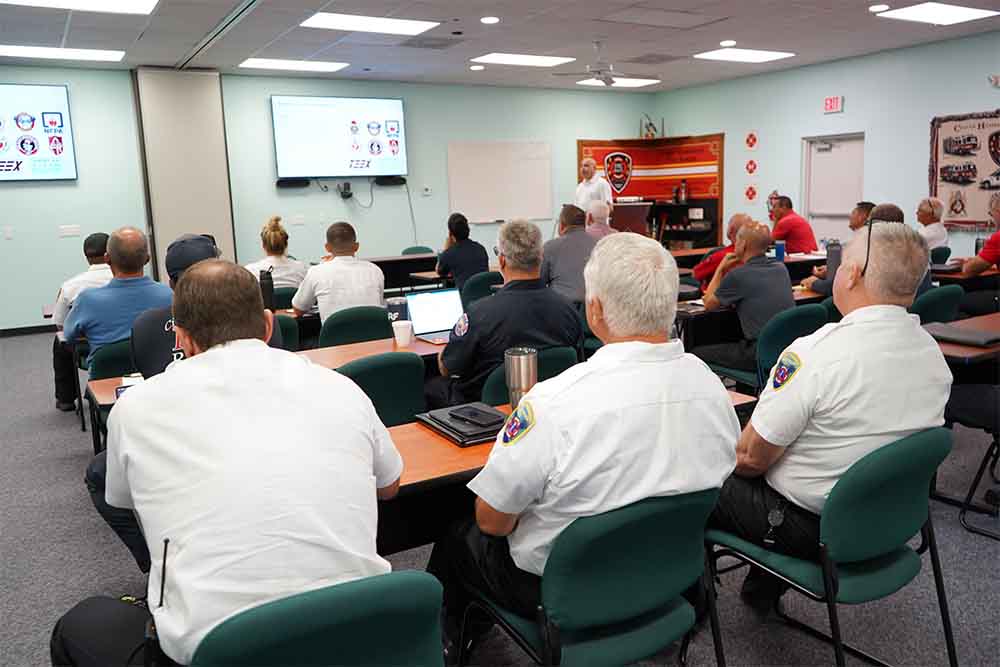
submitted by Brandon Grant, FPL and Florida Firefighters
In recognition of National Fire Prevention Week, which runs October 4 – 10, 2026, Florida Power & Light Company (FPL) and Florida Fire Marshals and Inspectors Association (FFMIA), are highlighting a new training partnership designed to give Florida’s first responders the knowledge and tools they need to understand battery energy storage technology.

Why it matters: Battery storage is a critical part of FPL’s diverse energy mix. As Florida continues to grow the company’s investments in battery energy storage are essential to meet increasing demand while delivering reliable service and keeping bills low. As FPL continues to deploy battery systems across the state, its partnership with FFMIA is key to inform first responders about the technology and deliver important safety training to respond safely and effectively.
“Safety is our number one priority, and partnerships like this help make our communities stronger and better prepared,” said Brandon Stankiewicz, vice president of FPL Universal Solar Development. “We’re proud to work alongside FFMIA and Florida’s first responders to provide specialized training that helps firefighters understand cutting edge technologies and prepare to support the energy grid of the future.”
How it works: Battery energy storage systems complement FPL’s highly efficient and diverse power generation fleet by storing excess, low-cost energy from the grid and delivering reliable electricity to customers when needed most, typically in the early morning hours or in the evening as the sun sets. This added flexibility helps FPL operate the grid more efficiently, strengthens reliability and keeps bills as low as possible.
What’s happening: The specialized training course developed by FPL and FFMIA, launched earlier this year and provides first responders with practical training on:
- Battery energy storage technology and operations
- Response protocols and safety considerations
- Incident management best practices
- Real-world emergency response scenarios
By the numbers:
- More than 200 firefighters and emergency personnel completed training in 2026
- Courses have been completed in Destin, Bay County, Putnam County, Baker County, Greenacres and Manatee County
- Participants receive continuing education credits
The program is led by Margate Fire Department’s Battalion Chief of Training Oscar Rodriguez, who has 25 years of experience as a first responder, and is designed to provide fire fighters with practical, hands-on knowledge they can use in the field.
“This training has been needed and fortunately we have been able to push it out statewide with partnership with FPL and FFMIA,” Rodriguez said. “This training gives firefighters an opportunity to learn about battery energy storage systems, understand how they operate and know what to expect if they ever encounter an incident. Working together, we’re able to bring knowledge directly to the men and women who are on the front lines protecting our communities.”
The bottom line: Recognizing that prevention and preparedness go hand in hand, FPL and FFMIA are continuing to invest in firefighter education and safety training across Florida, helping first responders stay ready for the technologies shaping the state’s energy future.
“Training and education are among the most important tools we have to protect our firefighters and the communities they serve,” said Jon Pasqualone, executive director of FFMIA. “This partnership provides first responders with valuable knowledge about emerging technologies and helps ensure they are prepared to respond safely and effectively.”
A record of safe battery storage operations: At FPL, safety is a priority for its employees, customers and communities. The company has safely operated battery energy storage systems for years. It operates Manatee Energy Storage Center, the world’s largest solar‑powered battery at the time of commissioning. Today, FPL operates nearly 1,600 MW of utility‑scale battery energy storage systems – enough to power over one million homes for a four-hour period – with plans to add nearly 900 MW by end of year. Battery energy storage systems enhance grid reliability by storing energy during low demand and releasing it during peak times.