Clermont and Groveland suspend ALPR programs, citing privacy concerns, oversight questions and the need for clearer rules.
A technology that can help police find stolen cars, locate missing people and connect vehicles to serious crimes is now sitting on the sidelines in two Lake County communities.

Clermont and Groveland police have both suspended their automated license plate reader programs, putting a temporary halt to a surveillance tool that has become increasingly valuable to law enforcement — while also raising difficult questions about privacy, data retention and government oversight.
The decisions were made as concerns continue to grow over how automated license plate reader, or ALPR, technology should be used and regulated in Florida.
For police, the cameras can provide an important investigative lead. For residents, they raise a different question:
How much information should law enforcement be allowed to collect about people who have done nothing wrong?
For now, Clermont and Groveland officials are choosing caution.
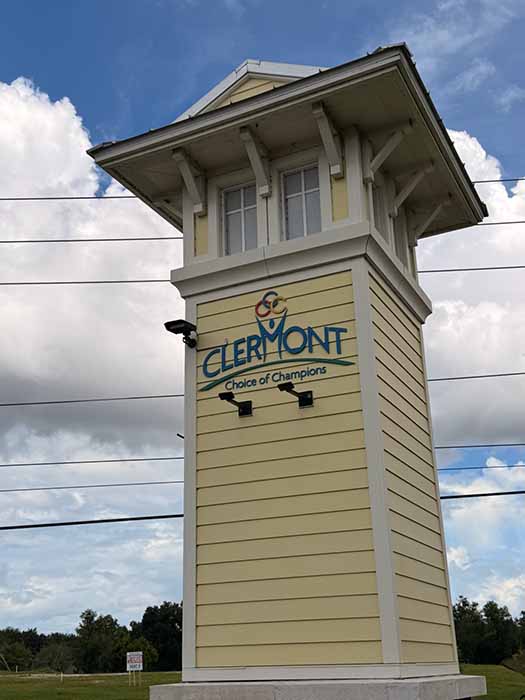
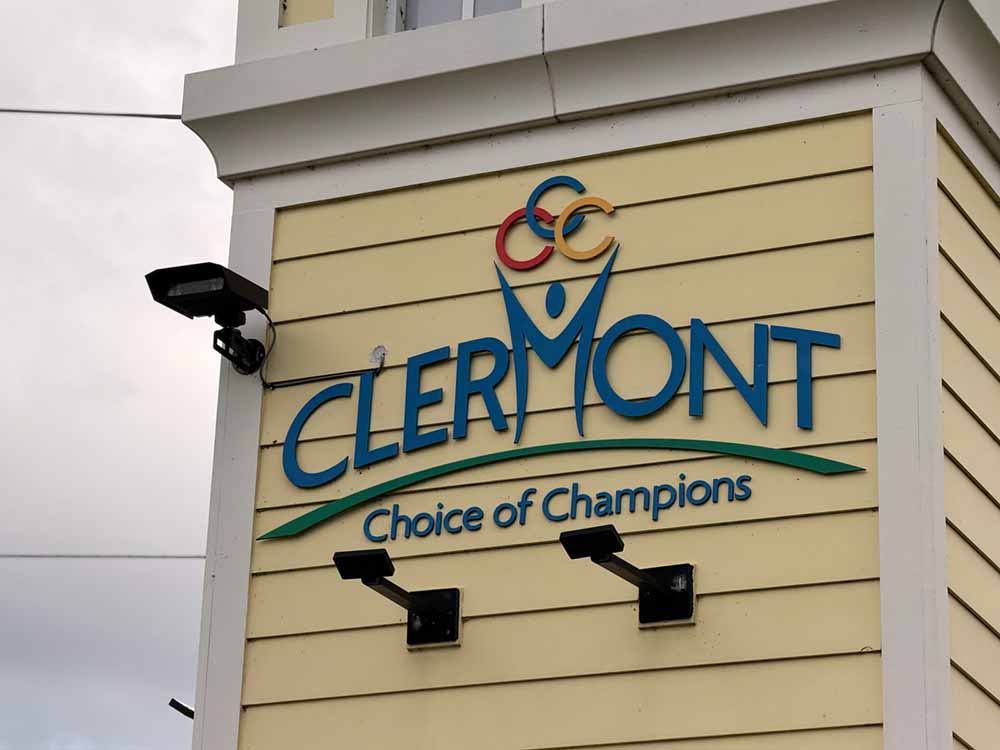 CLERMONT SUSPENDS PROGRAM
Clermont Police Chief John Graczyk announced Tuesdy, September 1 that the city’s ALPR program was being suspended immediately. The decision did not come because the department considers the technology ineffective. Quite the opposite.
According to Graczyk, Clermont officers and investigators have used ALPR technology in investigations involving robberies, kidnappings and other serious felony offenses. The technology has also helped officers locate missing people and recover stolen property.
Those successes, however, must be balanced against concerns raised by members of the community.
Among the issues cited by the department are privacy, who has access to ALPR information, how long data is retained, how information is shared and what safeguards are in place to prevent unauthorized access or misuse.
“Effective law enforcement depends upon public trust and strong partnerships with the community,” Graczyk said.
That trust, the department said, requires a clear and consistent legal framework.
Until there is greater clarity and definitive guidance from the Florida Legislature, Clermont police said they will discontinue use of the technology.
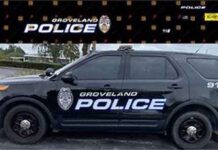
 GROVELAND FOLLOWS
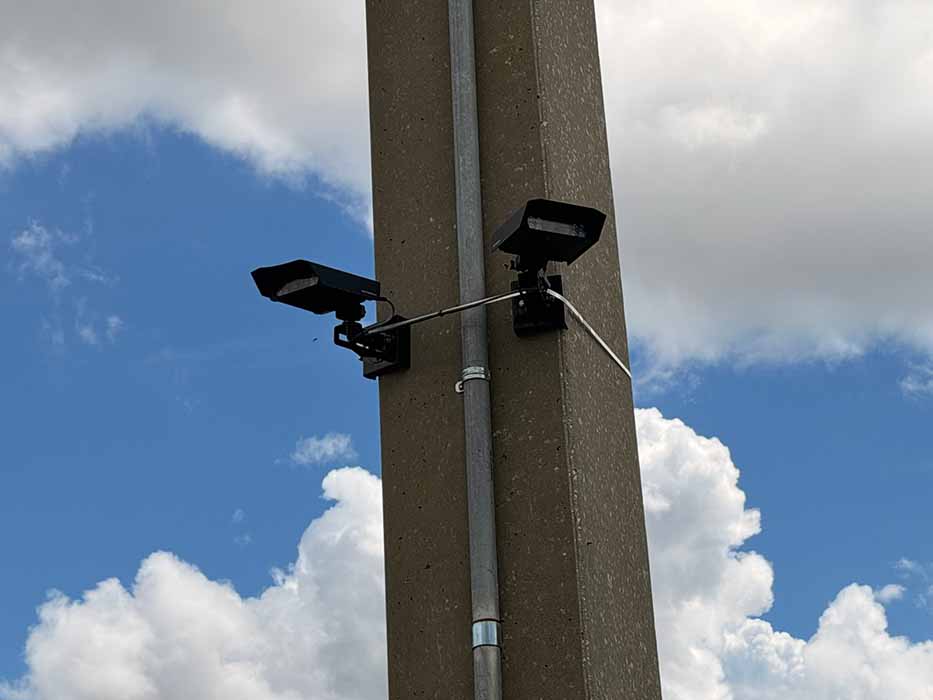
Just down the road, Groveland police have made a similar move. The Groveland Police Department has suspended use of all Flock Safety automated license plate recognition cameras within the city. Access to the Flock Safety system has also been suspended for all GPD personnel.
Before the suspension, Groveland had two cameras positioned at the eastern and western entrances to the city along State Road 50.
Like Clermont, Groveland said the cameras have served a legitimate law enforcement purpose.
They have helped police locate stolen vehicles, identify vehicles connected to criminal investigations and support other public-safety efforts.
But Acting Groveland Police Chief Armando Loney said the department decided that taking a step back was appropriate while questions surrounding oversight and governance are examined.
The message from Groveland was clear: public safety matters, but so does public confidence in how police use technology.
THE PRIVACY QUESTION
At the center of the debate is a basic difference between traditional police work and automated surveillance.
A police officer investigating a stolen vehicle may have a specific reason to look for that vehicle. An ALPR camera, however, can scan plates as vehicles pass — including vehicles belonging to people who are not suspected of any crime. That capability is precisely what makes the technology useful to investigators.
It is also what makes oversight important.
Questions about ALPR systems include how long location information is stored, who can search the data, what agencies can share it, and what rules prevent information collected for one purpose from being used for another.
Those questions are now front and center in Clermont and Groveland.
A TOOL POLICE SAY WORKS
Neither department is dismissing the potential benefits of ALPR technology.
Police say the systems can provide investigators with information that might otherwise take considerably more time and resources to obtain.
A camera alert could help officers locate a stolen vehicle. It could provide a lead in a missing-person case. It could help investigators identify a vehicle believed to be associated with a crime. But the value of that information does not eliminate the need for safeguards, officials say.
The challenge is finding the balance between effective policing and individual privacy.
WHAT HAPPENS NOW?
For the time being, the cameras are out of the equation for both departments.
Clermont said it will wait for greater guidance from the Florida Legislature concerning the appropriate use, regulation, retention, access and sharing of ALPR information.
Groveland said its officers will continue using traditional investigative techniques and other available resources while the suspension remains in place.
Whether the two cities eventually bring the technology back — and under what conditions — remains an open question.
Possible future policies could address how long data may be retained, who can access it, when searches are permitted and what information can be shared with other agencies.
Those decisions could ultimately determine whether residents see ALPR cameras as a valuable public-safety resource, an unacceptable form of surveillance — or something in between.
The technology may help police solve crimes. But before the cameras go back to work, officials say the rules governing them need to be clear — and the public needs to have confidence in how they are being used.
Is BIG BROTHER WATCHING YOU? You can see where the cameras are located by visiting: https://flockcameras.com